
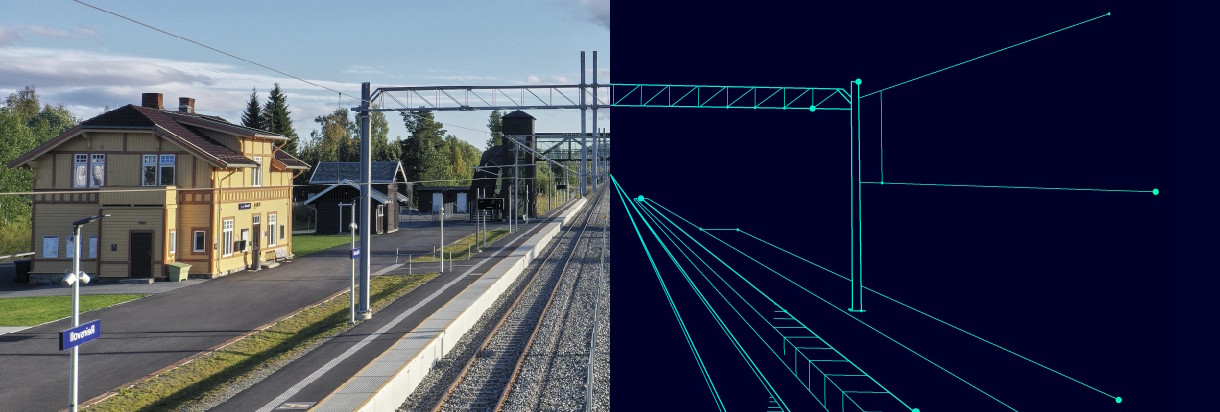
Be part of shaping the future of rail transportation with Siemens Mobility! Harness the power of AI and machine learning to digitize railway plans, solve real-world problems, and contribute to the advancement of sustainable mobility. Show your skills, innovate, and help revolutionize the industry!
Join the Challenge!
As a railway engineer at Siemens Mobility, I want to utilize a digital node-edge model of my railway network. Unfortunately, information gets delivered in old school vectorized PDF and TIFF formats. I’m far too lazy to manually engineer that huge variety of visual data.
Help me to recognize tracks, switches , signals, annotations and other entities and to arrange them in a standardized model for my work. Bring us on the engineering fast track when we e.g. have to modernize interlockings or determine optimized and safe routes through the rail network. This is much more than just image recognition! The real challenge lies in the variability of how plans are drawn and how information is arranged.
My vision is to use the extracted topology data as input for further sophisticated railway solutions. To have a digital model that spans the entire engineering process and life cycle.
Your tool for extracting existing plans into a digital model is a crucial step in speeding up the engineering of safety relevant interlockings, ETCS radio block centres, or timetable engineering. The collaboratively gained information helps us as to deliver modernized railway solutions to you as potential passenger.
As customary for a hackathon, the choice of technology for the implementation is completely up to you. Potentially you’ll be working with OCR, image recognition and AI based modelling of typical railway elements.

Minimally we expect that you can solve the challenge for the easiest category of railway plans consisting of 2-3 tracks. You’ll earn more respect if you’re able to transform more complex maps containing more variations of elements in the layout.
The more accurate the delivered digital model becomes (rail symbols, correct associated annotations), the easier our rail engineer’s life becomes.
Visualize the elements your tool has been able to digitize into the model.
Below is a detailed breakdown of the areas there will be focus on during the evaluation process:
Below you cand find all required inputs and useful material for our challenge:
AWS processing power: we can provide your team with AWS vouchers. Please come and see us.
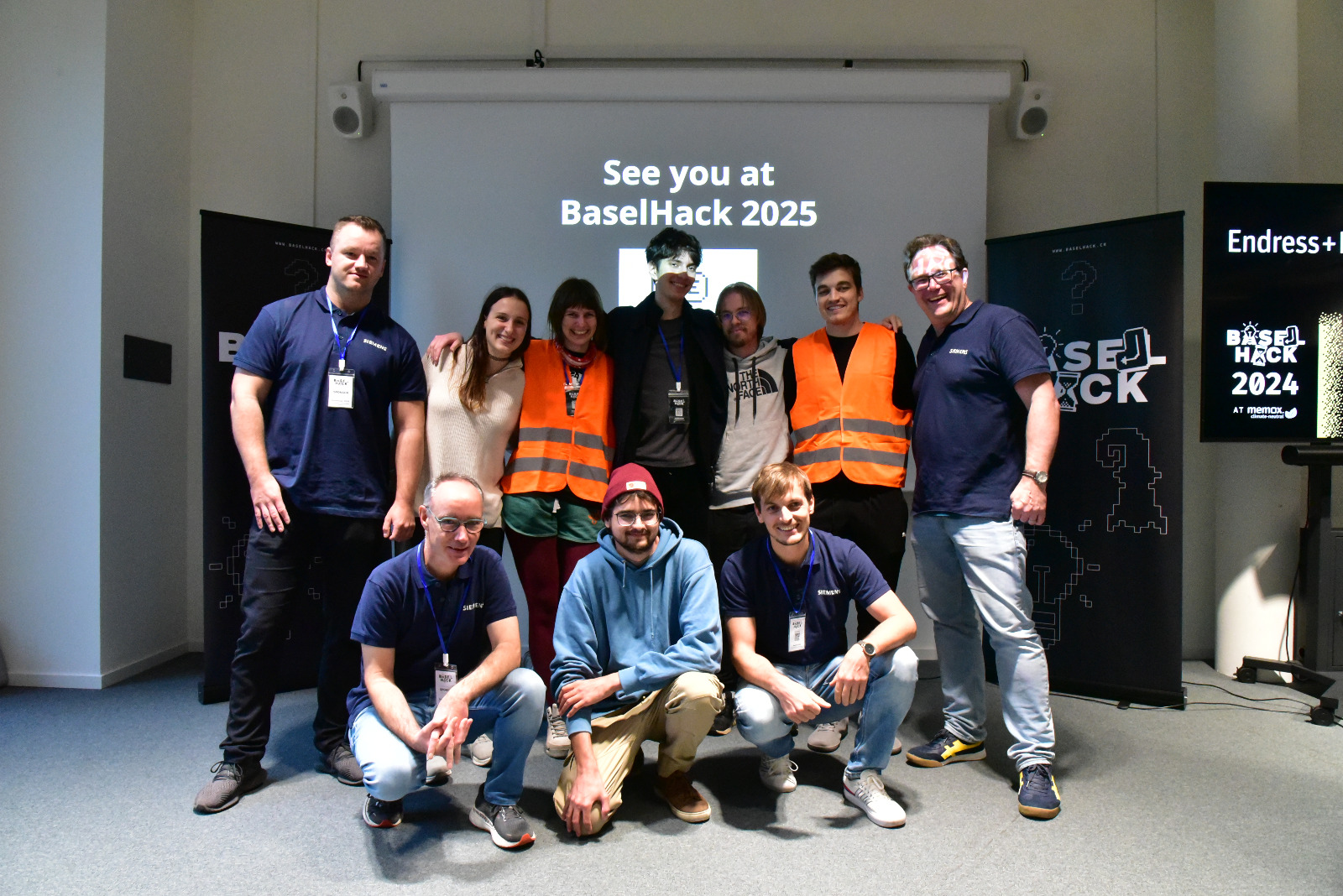
Congratulations to Team DerAIler for winning the challenge! Your hard work, innovative approach, and dedication have truly set you apart. Well done on this well-deserved victory!
Join Siemens to contribute to the future of technology and AI. Learn more about career opportunities.
Explore Careers